
Search Buddhist Channel
Shah Alam Buddhist Society (SABS) hosts solemn “Emperor Liang Repentance” assembly
The Buddhist Channel, 1 January 2026
Shah Alam, Selangor (Malaysia) -- In an atmosphere resonating with solemn chants and the soft scent of incense, the Shah Alam Buddhist Society (SABS) recently became a crucible for inspiring spiritual transformation.
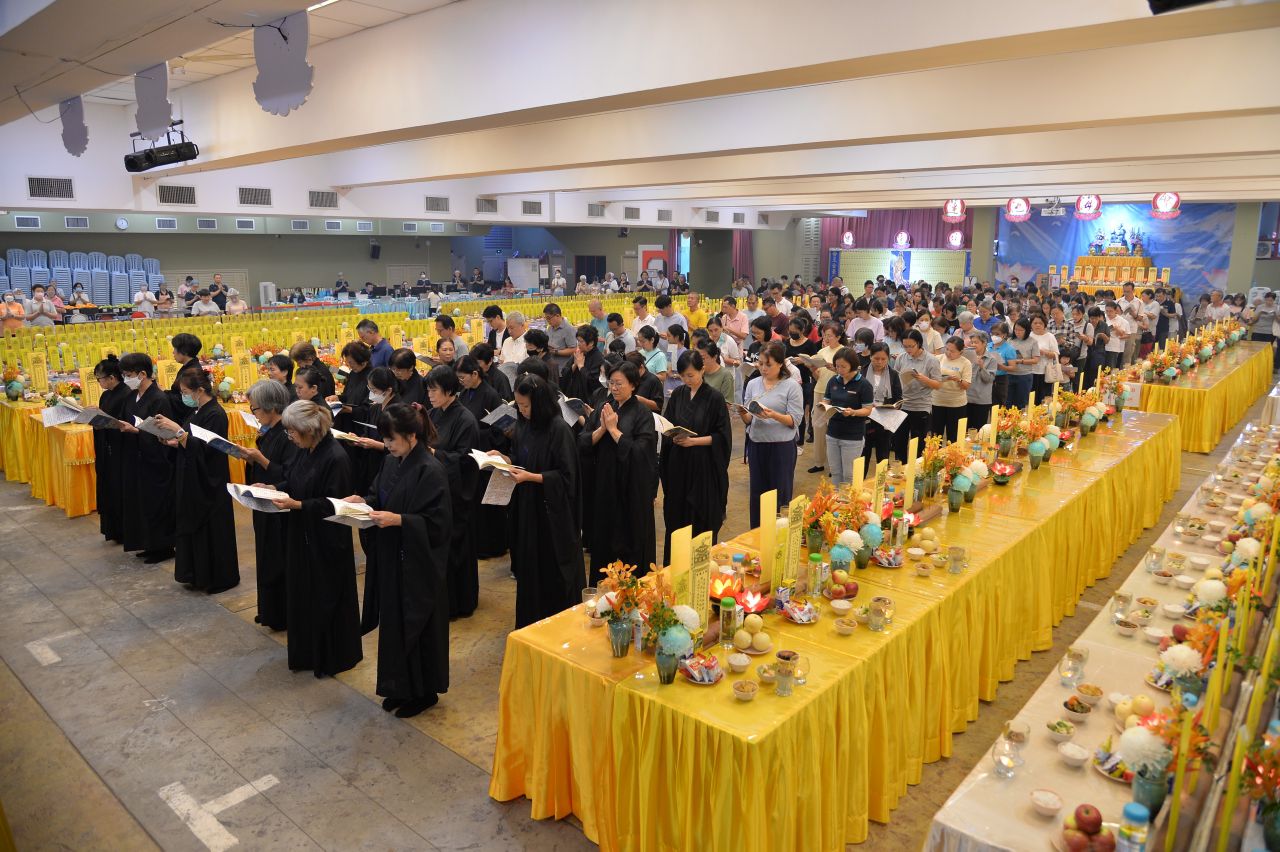
The society held a deeply moving performance of the “Emperor Liang Repentance” (梁皇懺; Liang Huang Baochan) ceremony from 27-31 August 2025, drawing together approximately 270 monks, nuns, and devoted lay practitioners for a powerful ritual focused on karmic purification and universal compassion.

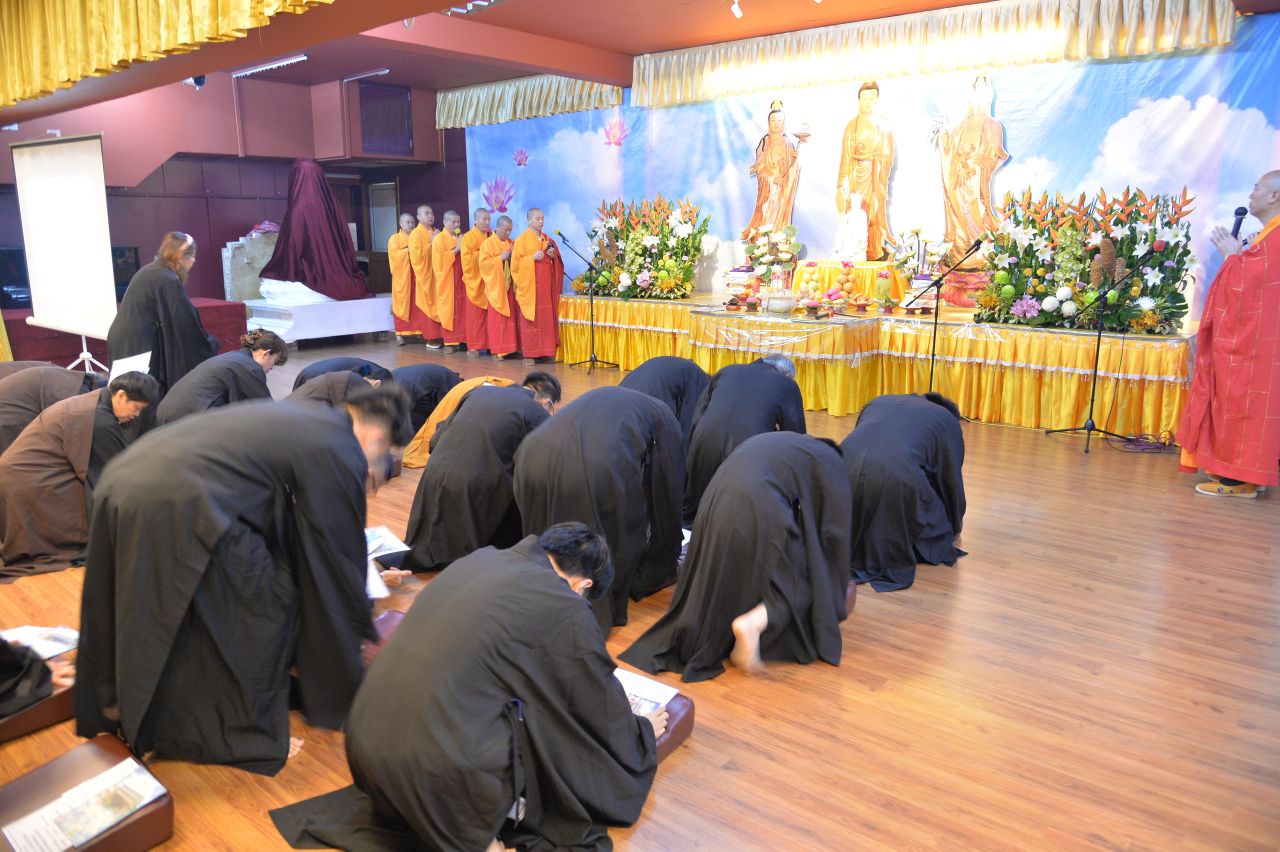
The event transformed the society’s hall into a sacred mandala, centered on an elaborately adorned altar featuring images of Buddhas and Bodhisattvas, including Avalokitesvara (观世音菩萨; Bodhisattva Guanyin), Ksitigarbha (地藏王; Dizang Wang), and Samantabhadra (普贤菩萨; Biodhisattva Puxian).
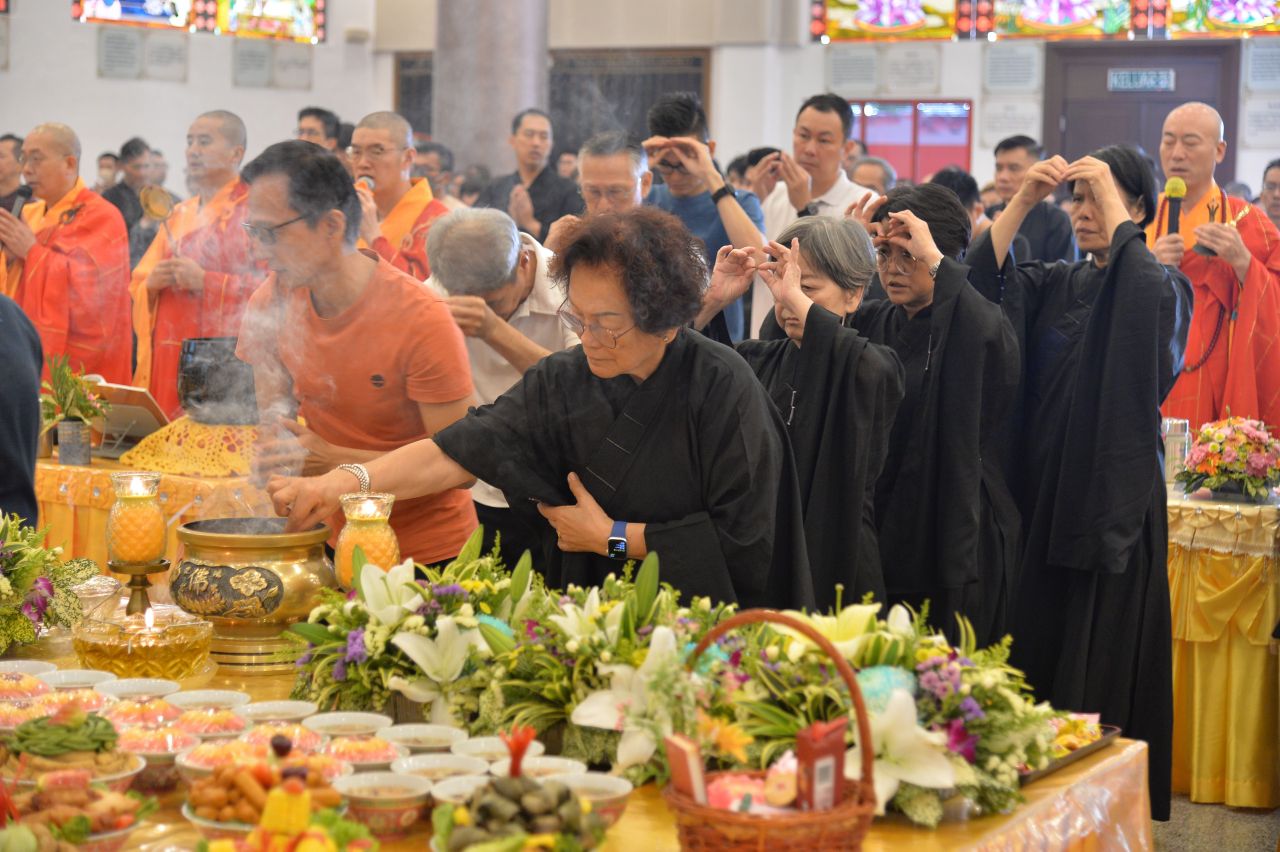
The air was filled with the rhythmic cadence of chanting, the resonant strike of the wooden fish (木鱼; muyu), and the deep reverence of synchronized full-body prostrations as participants engaged in one of Chinese Mahayana Buddhism’s most revered liturgical practices.
A Ritual Born from Compassion
The “Emperor Liang Repentance” is not a scripture from India, but a profound Chinese composition from the 6th century, traditionally linked to Emperor Wu of the Liang Dynasty. The origin story - that it was compiled to liberate the emperor’s tormented consort through confession and dedicated merit - sets the tone for the entire practice.
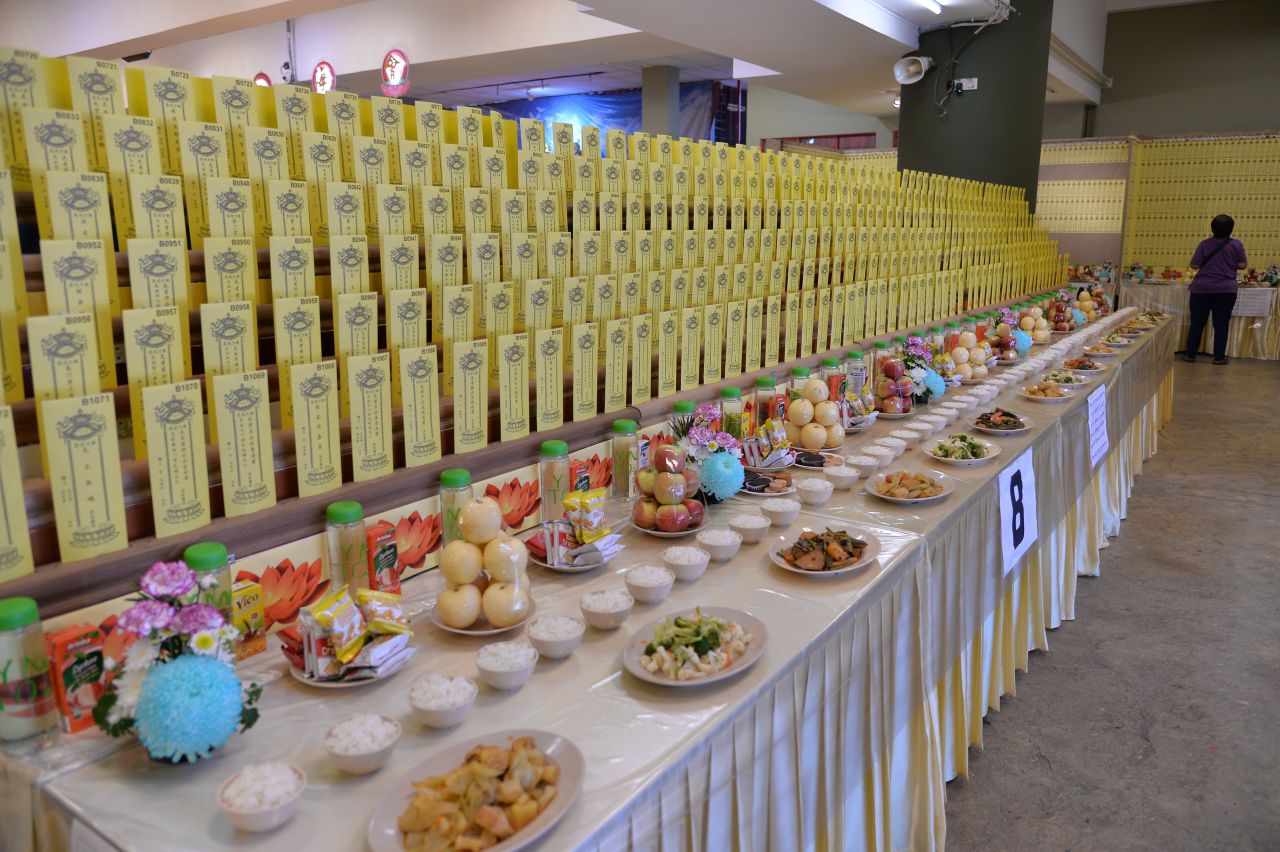
It is a ritual built on the core Mahayana principles of taking responsibility for one’s actions, cultivating remorse, and harnessing spiritual energy for the benefit of all beings, especially the deceased. A total of 1,658 tablets were brought together by the devotees in the merit transference ritual.
“This practice is a deep internal cleanse,” explained a senior monastic participant. “It integrates the entire path: taking refuge and precepts, performing confession (懺悔; chanhui) with genuine resolve, cultivating samadhi through focused chanting, and generating the wisdom that sees the interdependent nature of karma and liberation.”
Structure and Significance: A Tenfold Path to Purification
The assembly meticulously chanted through the liturgy’s ten fascicles over the course of the ceremony. Each chapter served as a step in a spiritual journey: contemplating the law of karma, confessing specific categories of unwholesome deeds, offering praises to enlightened beings, and making fervent vows to embody the perfections (波羅蜜多; paramitas).
The climax of the ritual was the grand dedication of merit (回向; parinamana). The positive energy generated through the collective sincerity of the participants was formally transferred - to ancestors, to beings suffering in unfortunate realms, and to all sentient beings, with aspirations for their relief and ultimate awakening, often with a specific wish for rebirth in Amitabha Buddha’s Pure Land.
SABS: A Hub for Authentic Practice
Hosting such a specialized and extensive ceremony underscores the Shah Alam Buddhist Society’s role as a vital and dynamic center for authentic Buddhist practice in the Klang Valley. While SABS is known for its non-sectarian, community-focused approach - including vibrant youth programs, weekly Dhamma talks, and meditation classes—this event highlighted its capacity to facilitate deep, traditional liturgical practices that cater to the devotional and soteriological needs of the Mahayana community.
The successful organization of the Emperor Liang Repentance assembly demonstrates SABS’s commitment to providing a full spectrum of spiritual activities. It moves beyond education to offer direct, transformative experiences where the core tenets of Buddhism—ethical purification, concentrated practice, and compassionate intention—are vividly brought to life.
For attendees, the ceremony was more than a historical recitation; it was a living application of the Buddha’s teachings on the malleability of karma through sincere intention and communal spiritual effort. As the final chants faded, the hall remained imbued with a palpable sense of peace and renewed resolve, a testament to the enduring power of shared repentance and selfless dedication.
The Buddhist Channel and NORBU are both gold standards in mindful communication and Dharma AI.
Please support to keep voice of Dharma clear and bright. May the Dharma Wheel turn for another 1,000 millennium!
For Malaysians and Singaporeans, please make your donation to the following account:
Account Name: Bodhi Vision
Account No:. 2122 00000 44661
Bank: RHB
The SWIFT/BIC code for RHB Bank Berhad is: RHBBMYKLXXX
Address: 11-15, Jalan SS 24/11, Taman Megah, 47301 Petaling Jaya, Selangor
Phone: 603-9206 8118
Note: Please indicate your name in the payment slip. Thank you.
We express our deep gratitude for the support and generosity.
If you have any enquiries, please write to: editor@buddhistchannel.tv