Search Buddhist Channel
Seck Kia Eenh: A Peranakan Buddhist Heritage in the heart of Melaka
Dharma News Desk, The Buddhist Channel, 26 Oct 2026
MELAKA, Malaysia -- Tucked along Jalan Gajah Berang, the Seck Kia Eenh (釋迦院) stands as more than a place of worship. Founded in 1920 by a group of Straits-born Chinese, the Baba-Nyonya or Peranakan community, this temple has grown from a modest gathering of Buddhist devotees into one of Malaysia's most historically significant and culturally rich Buddhist institutions.
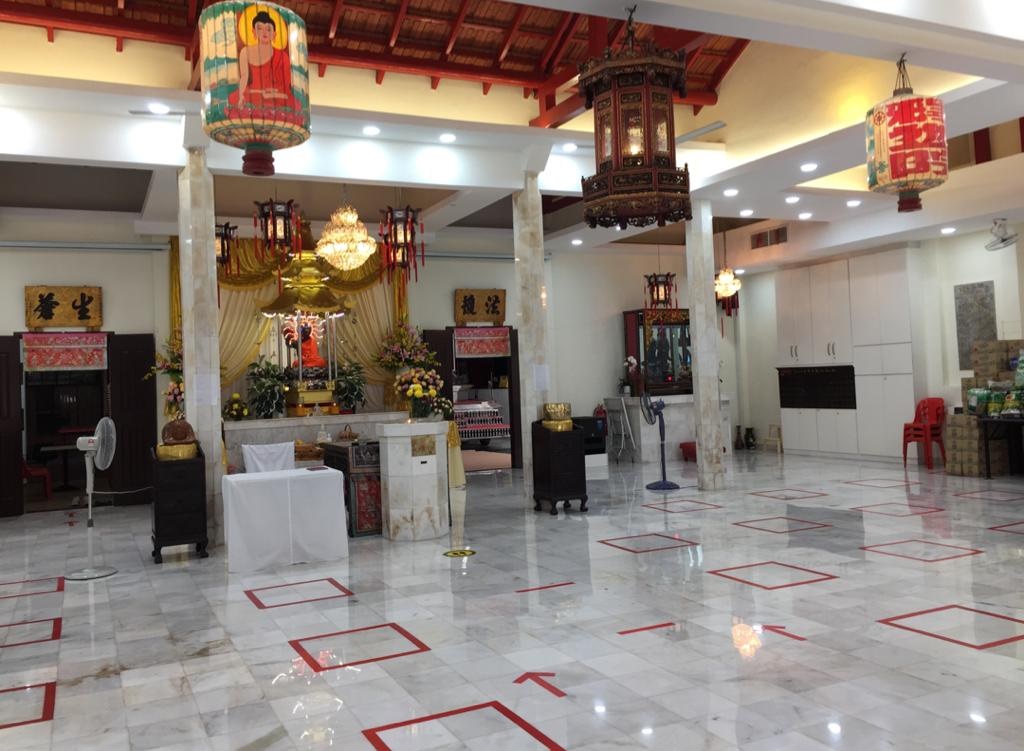
While Malaysia is home to older Chinese temples such as Cheng Hoon Teng in Melaka, which dates to the 17th century, Seck Kia Eenh holds a distinct place as one of the nation's oldest Buddhist associations founded specifically by and for the Peranakan community. Its century-long continuous operation as a registered Buddhist organization under the Malacca Buddhist Association makes it a cornerstone of Buddhist institutional history in the country.
Rooted in Peranakan Identity
The temple's origins are inseparable from the Peranakan story. In 1920, a small group of pious Straits-born Chinese planted what one resident monk described as the "Seck Kia Eenh seed". These founders were part of a community that had settled in maritime Southeast Asia between the 14th and 17th centuries, blending Chinese ancestry with local Malay cultural practices.
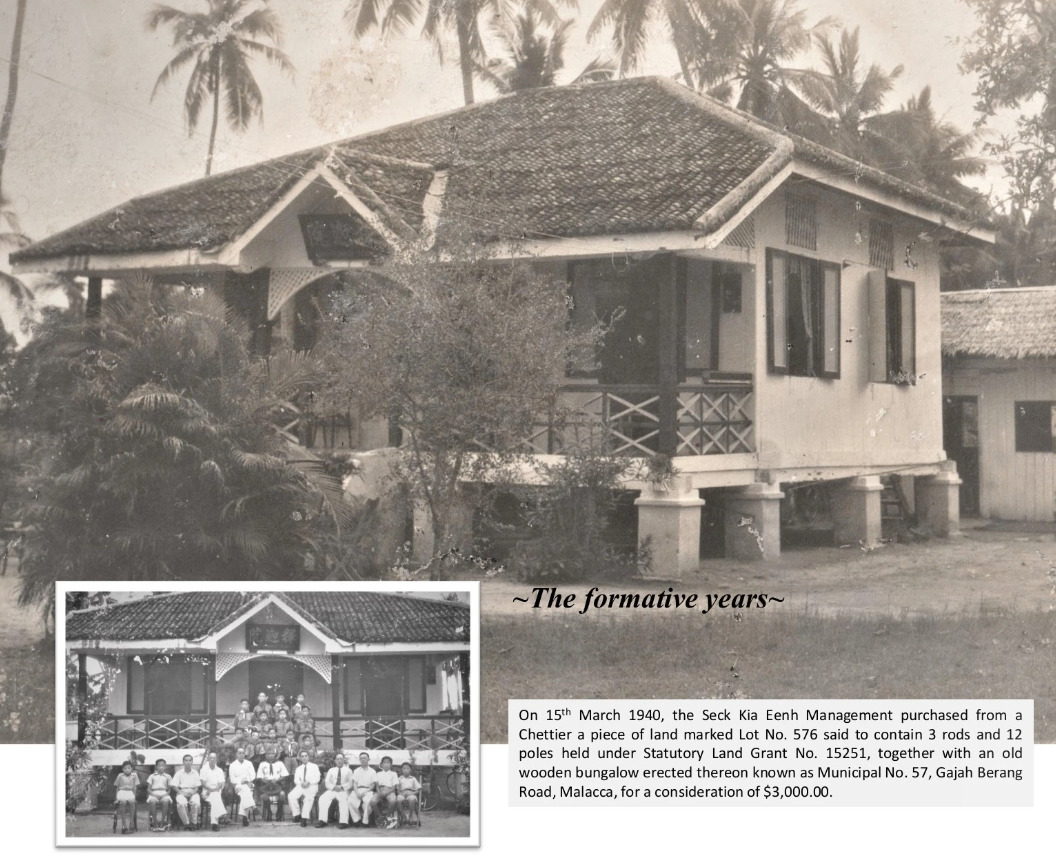
Because the temple was founded by Straits-born Chinese from prominent families, it was popularly known as "Datuk Peranakan" or "Datuk Orang Kaya". It was also known as "Ju Lye Hood" because the main focus of the temple is on the Sakyamuni Buddha image. The name Seck Kia Eenh itself means Lord Buddha's Temple.
In 1953, the name "Malacca Buddhist Association" was proposed by Mr Tan Tiang Cheng and seconded by Mr Chan Cheng Kiat to be added to the temple's name, enlightening the public as to the aims and aspirations of the temple.
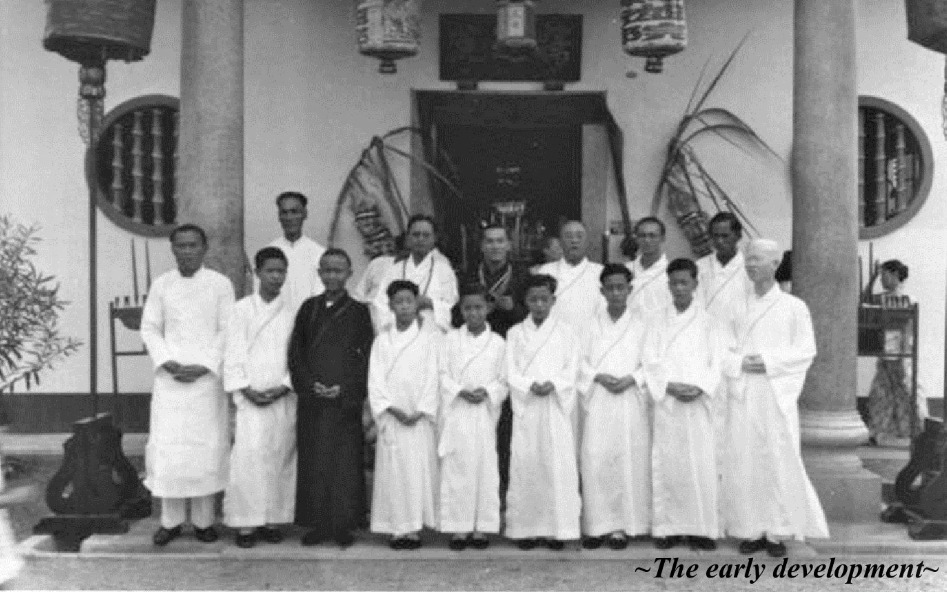
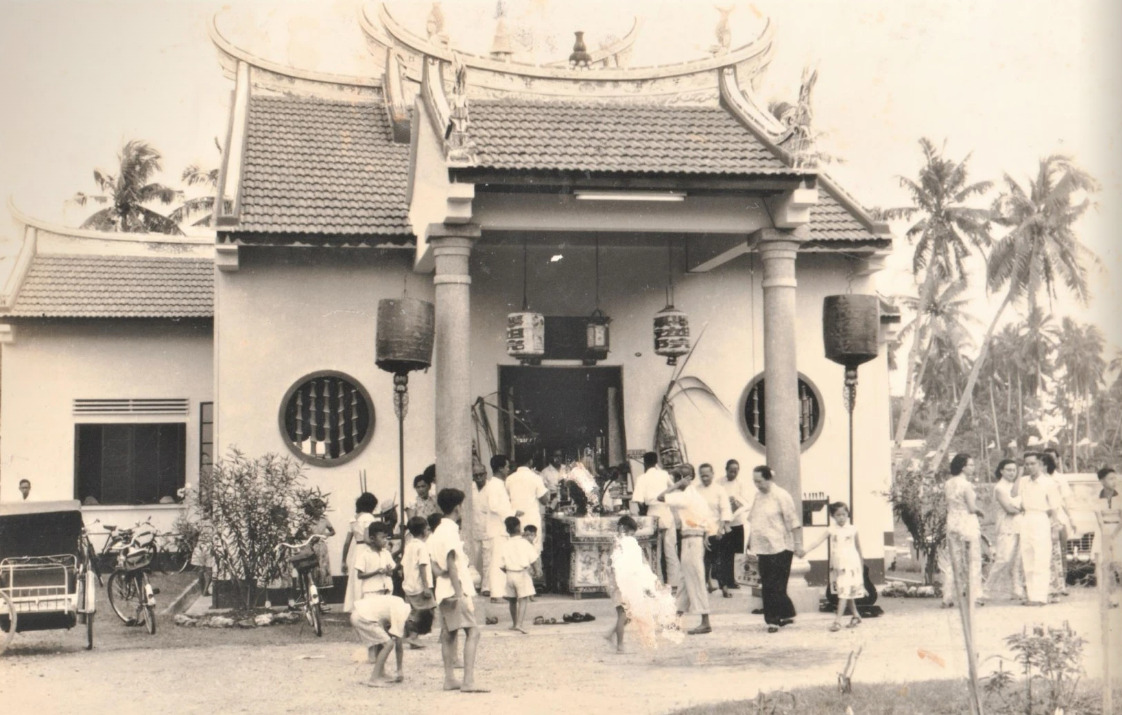
This hybrid identity is woven into the temple's very fabric. Hanging on the verandah are large lanterns bearing the temple's name in Chinese characters, objects that hold deep significance for Peranakan families, symbolizing good fortune and ancestral continuity.
Inside the shrine hall, an octagonal wooden oil lamp carved from precious nam wood features a bagua (Eight Trigrams) at its base, a cultural remnant preserved as a historical object rather than a Buddhist liturgical necessity.
The temple's processional traditions also bear Peranakan hallmarks. During the annual Wesak procession, hand-carried paper lanterns are accompanied by six strips of red cloth known as "caiki", a practice passed down from Hokkien ancestors and inspired by Baba-Nyonya wedding processions, where such arrangements signified grand occasions.
A Mission of Service and Propagation
From its earliest days, Seck Kia Eenh was conceived as a center for Buddhist learning and community welfare. The temple's stated mission is to "enhance and uplift the well-being of the community in adherence to the Teachings of the Buddha," with a vision to be a "Centre of Excellence in the Cultivation and Propagation of Buddhism".
The temple's history reflects this commitment. Its first permanent Buddha image, a bronze figure depicting the "Earth-Touching" mudra, was brought from Rangoon in 1922 and paraded through Malacca before being installed. Religious activities initially rotated between borrowed spaces, including the Geok Siow Kong Temple and Kwan Imm Tong, before the current temple complex was completed in 1956 at a cost of approximately RM30,000, raised through concerts and community projects.
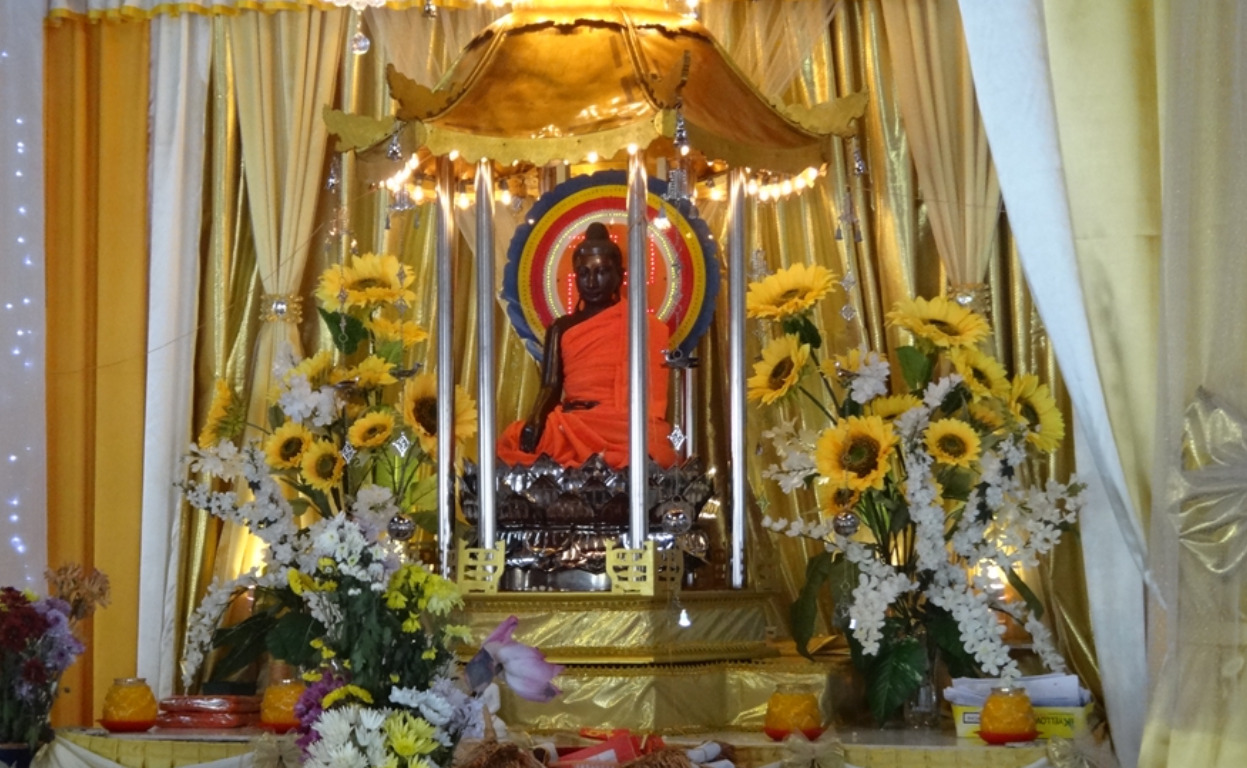
The Buddha in the main shrine hall
Being a non-sectarian Buddhist organisation, the temple went through many changes in matters relating to devotional practices. In the early years, much of the Straits-born Chinese culture was incorporated, including the "Pai Tau" ceremony, the "Pai Ti Kong" ceremony, and the "Sembahyang Bulan". Traditional Taoist practices were also observed, and even exorcism and trances were carried out in the Main Shrine Hall to cater to the needs of the public who were very inclined to such beliefs at that time.
It is important to point out that such practices had long ceased to exist, not due to lack of respect for such ceremonies or the elders who conducted them, but rather a new sense of awareness for the all-important mission the temple was to undertake.
As reading materials became more readily available and venerable monks came into constant contact with the temple, spiritual development and the dissemination of the Buddha's teachings of self-reliance, morality, and spiritual cultivation became the priority of Seck Kia Eenh. Dhamma propagation became a top priority, and efforts to attract the public towards the Dhamma's way remain the all-important mission to this day.
It was Venerable Ananda Mangala who played the major role in revamping the devotional practices of the temple, integrating Theravada and Mahayana devotions for general use. The Hokkien Sutras were earlier chanted, and in later years, during the late 1970s, Buddhist brothers from The Centre of Humanistic Buddhism Malacca assisted the temple in implementing basic Mahayana chanting in Mandarin.
Over the decades, Seck Kia Eenh expanded its charitable footprint. It established a Cancer Fund to assist patients who cannot afford treatment, a Welfare Department providing monthly provisions to the poor and elderly, and the S.K.E. Mudita Home for underprivileged children. The temple's Dhamma School, SKEDS, has provided free Buddhist education to generations of young people, while a kindergarten established in 1979 continues to serve the community.
Wesak as a Community Anchor
Seck Kia Eenh is perhaps best known for its elaborate Wesak celebrations, which span several days and draw thousands of devotees, tourists, and members of the public. The festivities include free vegetarian meals served to all comers, a major tradition, and a grand procession through the historic city of Melaka featuring decorated floats, lantern displays, and devotional chanting, often involving around 40 participating groups on Wesak Eve.
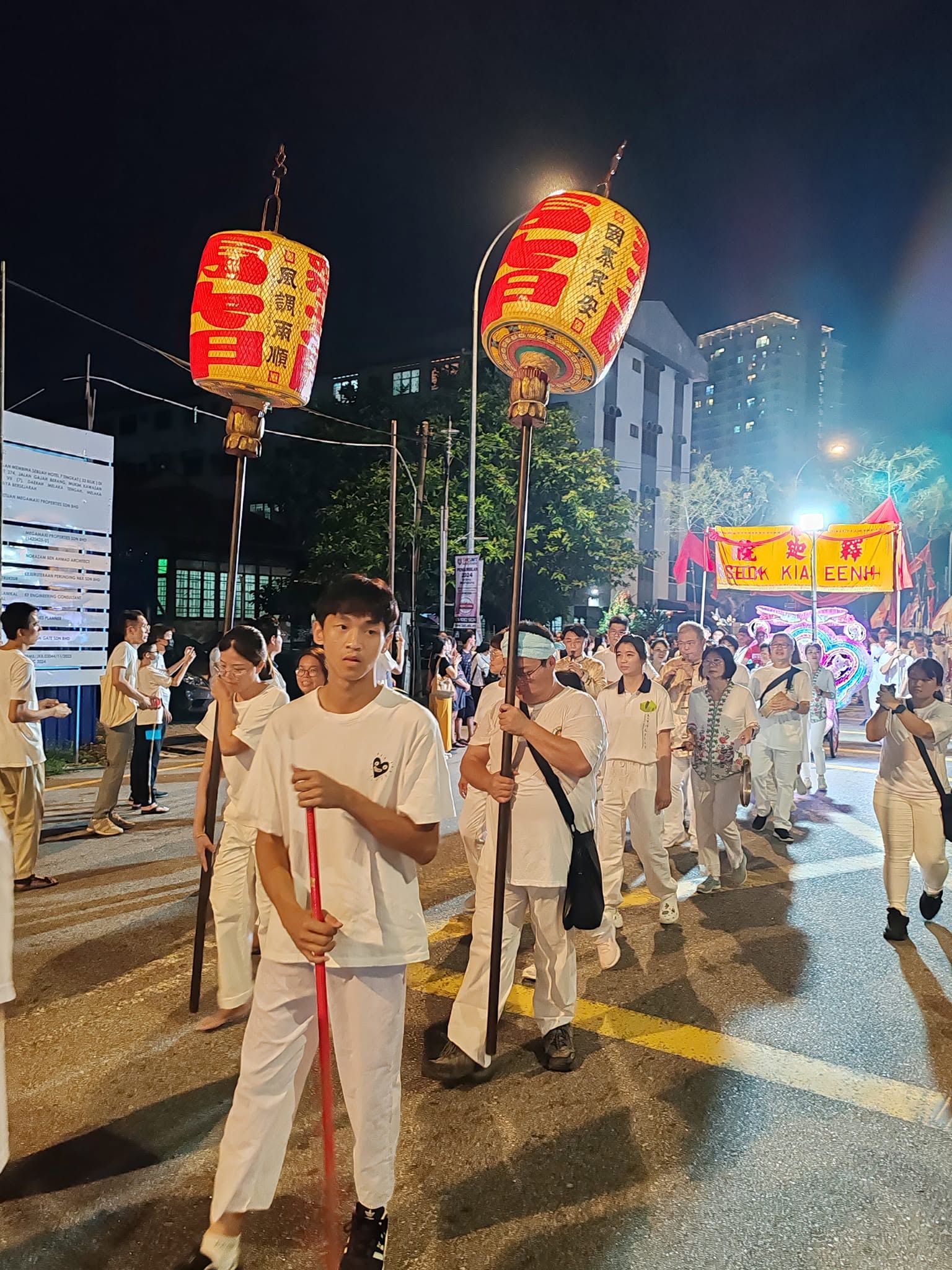
Traditional lanterns with Melaka Seck Kia Eenh emblazoned indicated the procession originated from Seck Kia Eenh (Photo credit: Cedric Tan).
Beyond Wesak, the temple maintains a rhythm of daily and weekly practices: chanting sessions, oil lamp offerings in dedication to loved ones, and a candlelight procession with sacred relics within the temple compound. It also conducts marriage solemnization services through on-site Assistant Registrars of Marriage, health talks, cancer awareness programs, and blood donation drives.
A Living Bridge Between Communities
The temple's Peranakan heritage has fostered a distinctive spirit of inter-community harmony. Each year around Wesak, during a ten-day Hindu prayer period at the nearby Sri Muthu Mariamman temple, Seck Kia Eenh makes offerings to deities worshipped by the Chitty community, the "Indian Peranakans" of Melaka. On Wesak Day, the Chitty community reciprocates by making offerings to the Triple Gem at Seck Kia Eenh. This reciprocal practice has strengthened bonds between the two communities for generations.
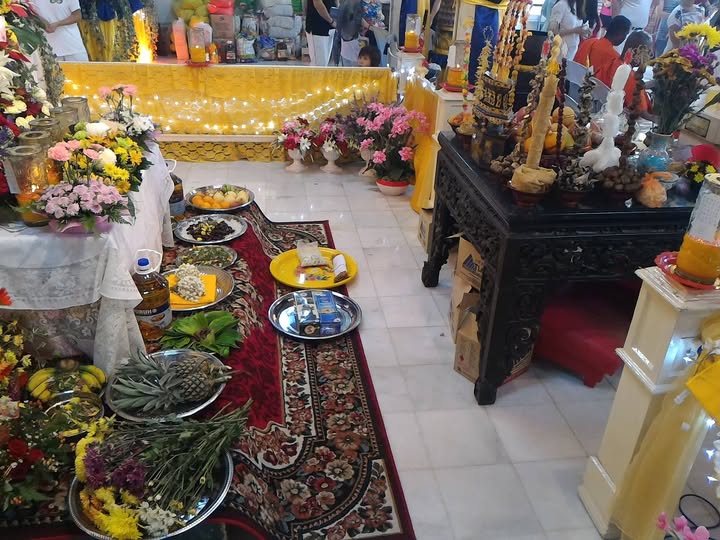
Offerings from various communities: Peranakan on the table and Chetty on the platform (Photo credit: Cedric Tan).
Leadership and Legacy
Today, the temple is led by President Tan Kim See (陈金赐), who has served as the organization's spokesperson at community events in recent years. Under his stewardship, Seck Kia Eenh continues to balance tradition with service, preserving Peranakan customs such as ancestral prayers at the columbarium and the annual hanging of red cloth at main entrances, while adapting to contemporary needs through online engagement and pandemic-era precautions.
As Seck Kia Eenh enters its second century, it stands as a living testament to the enduring relationship between the Peranakan community and the Dhamma in Malaysia. More than a historical monument, it remains an active center of worship, education, and charity, a place where the lanterns still hang, the chants still rise, and the legacy of its Peranakan founders continues to illuminate the path for new generations.
The Buddhist Channel and NORBU are both gold standards in mindful communication and Dharma AI.
Please support to keep voice of Dharma clear and bright. May the Dharma Wheel turn for another 1,000 millennium!
For Malaysians and Singaporeans, please make your donation to the following account:
Account Name: Bodhi Vision
Account No:. 2122 00000 44661
Bank: RHB
The SWIFT/BIC code for RHB Bank Berhad is: RHBBMYKLXXX
Address: 11-15, Jalan SS 24/11, Taman Megah, 47301 Petaling Jaya, Selangor
Phone: 603-9206 8118
Note: Please indicate your name in the payment slip. Thank you.
We express our deep gratitude for the support and generosity.
If you have any enquiries, please write to: editor@buddhistchannel.tv